

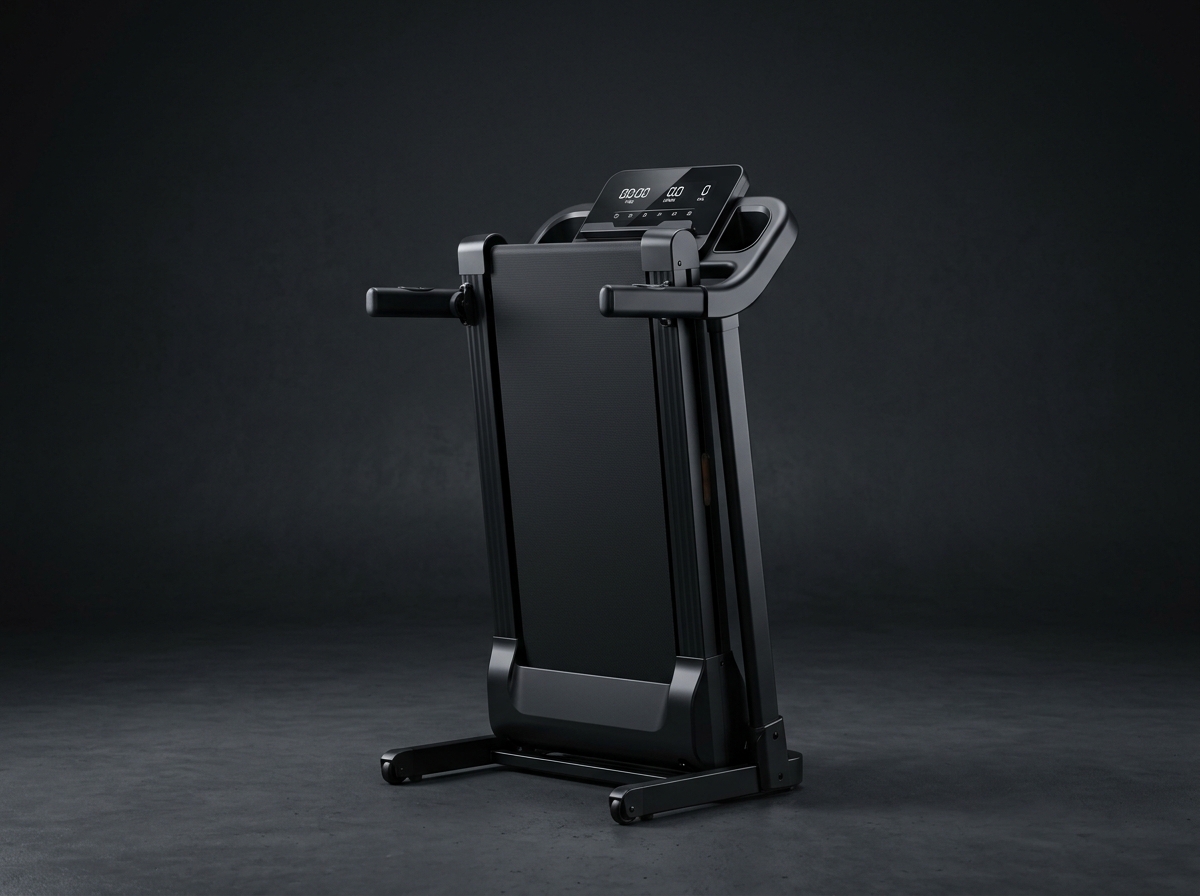
Whether setting up a commercial fitness centre, a residential clubhouse gym, or a dedicated home workout space, choosing the right treadmill is one of the most critical equipment decisions you will make.
Treadmills bear continuous mechanical load, heavy impact forces, and long operating hours. Buying the wrong motor type or insufficient deck size often leads to early motor burnout, joint discomfort, and frequent repairs.
In this guide, the Gymscape fitness engineering team breaks down the technical differences between AC vs. DC motors, Manual vs. Motorized treadmills, and the essential checklist to choose the right model for your requirements.
1. AC Motor vs. DC Motor Treadmill: What Is the Difference?
The motor is the engine of any motorized treadmill. Understanding the difference between Alternating Current (AC) and Direct Current (DC) motors prevents premature failure.
| Feature / Metric | Commercial AC Motor Treadmill | Home DC Motor Treadmill |
|---|---|---|
| Motor Drive Type | Three-Phase Industrial AC Induction Motor | Permanent Magnet DC Motor |
| Horsepower (HP) | 3.5 HP to 6.0 HP Continuous Duty (CHP) | 1.5 HP to 3.5 HP Peak (1.0–2.0 CHP) |
| Daily Run Time | 10 to 16+ Hours Continuous Usage | 1 to 3 Hours Daily (with cool-down) |
| Cooling & Durability | Built-in high-volume cooling fan; brushless | Carbon brushes subject to heat buildup |
| Max User Weight | 160 kg to 200 kg+ | 100 kg to 135 kg |
| Maintenance | Minimal (Brushless design, heavy-duty bearings) | Periodic brush inspection & lubrication |
| Best Suited For | Commercial Gyms, Sports Academies, Hotels, RWAs | Personal Home Gyms, Bedroom Fitness, Walkers |
Key Takeaway on Motors:
- Choose an AC Motor if the treadmill will be used by multiple people consecutively (e.g. in a commercial gym or society fitness centre) or by runners exceeding 100 kg.
- Choose a DC Motor for private home use where sessions are typically 30–60 minutes at a time.
2. Manual vs. Motorized Treadmill: Which One Should You Buy?
Another major decision is whether to choose an electric motorized treadmill or a non-electric manual jogger.
| Comparison Parameter | Motorized Treadmill | 4-in-1 Manual Roller Jogger | Curved Slat-Belt Runner |
|---|---|---|---|
| Power Source | Electricity (220V AC Power Socket) | 100% Non-Electric (Self-Driven) | 100% Self-Powered (Magnetic Brake) |
| Pace Control | Buttons / Console controls belt speed | User’s legs push the rollers | User stride pace controls speed |
| Calorie Burn | Standard steady-state cardio | Up to 20% higher effort | Up to 30% higher calorie burn |
| Incline Options | 0% to 18% motorized incline | 2–3 level manual pin incline | Ergonomic fixed curve |
| Electricity Cost | Moderate electric consumption | ₹0 Electricity Bill | ₹0 Electricity Bill |
| Multifunction Gear | Dedicated running track | Often includes Twister, Stepper & Pushup Bars | Dedicated sprint & HIIT track |
| Ideal Deployment | Commercial gyms, home runners | Home fitness, outdoor open gyms | Athletic training, CrossFit & HIIT |
3. The 5-Point Checklist: How to Choose the Right Treadmill
When evaluating treadmill specifications, check these five core factors:
1. Running Deck & Belt Dimensions
- Walking & Light Jogging (Home): Minimum 1200 mm × 420 mm (47" × 16.5").
- Running & Commercial Gym Use: Minimum 1500 mm × 550 mm (59" × 21.6") so users with longer strides don’t accidentally step off the track.
2. Cushioning & Shock Absorption Technology
Running produces joint impact forces equal to 2.5 to 3 times your body weight. Look for multi-point elastomer shock dampers or dual-deck suspension systems to reduce stress on knees, hips, and ankles.
3. User Weight Capacity (The “25 kg Buffer Rule”)
Always choose a treadmill with a maximum user weight capacity at least 25 kg higher than the heaviest user in your gym or household. If the heaviest user is 85 kg, choose a machine rated for at least 110 kg.
4. Automatic Incline (0% to 15%+)
Motorized auto-incline allows users to simulate hill climbs at the push of a button, increasing cardiovascular intensity and calorie burn without increasing joint-pounding speed.
5. Console & Safety Features
Ensure the console offers clear readouts (Speed, Time, Distance, Calories, Heart Rate), an emergency magnetic safety kill-switch key, and hydraulic soft-drop folding for home units.
4. Complementing Your Gym Setup with Cardio & Strength
A complete fitness setup requires balancing cardio endurance with strength equipment and acoustic flooring:
- Cardio Pairing: Combine treadmills with Gymscape Air Bikes and Elliptical Cross Trainers for low-impact conditioning.
- Flooring Protection: Always install 15mm to 20mm high-density rubber gym flooring tiles underneath treadmills to dampen motor vibrations and protect the subfloor.
5. Test Live Treadmills at Gymscape Lucknow
Backed by more than 40 years of sporting excellence since 1982, Gymscape supplies commercial AC treadmills, smart foldable home treadmills, and heavy manual joggers with complete warranty, installation, and spare parts support.
Visit our physical showrooms in Lucknow to test treadmill deck sizes and build quality in person:
Need Expert Advice on Selecting a Treadmill?
Contact our fitness specialists for model recommendations, commercial bulk quotations, or home delivery across Lucknow and India.
Chat on WhatsApp (+91 96964 22319)Need customized advice or cost estimation for this?
Talk directly with our project specialists. We provide turnkey layout recommendations and quotes across India.
Inquire on WhatsApp